

Quick answer
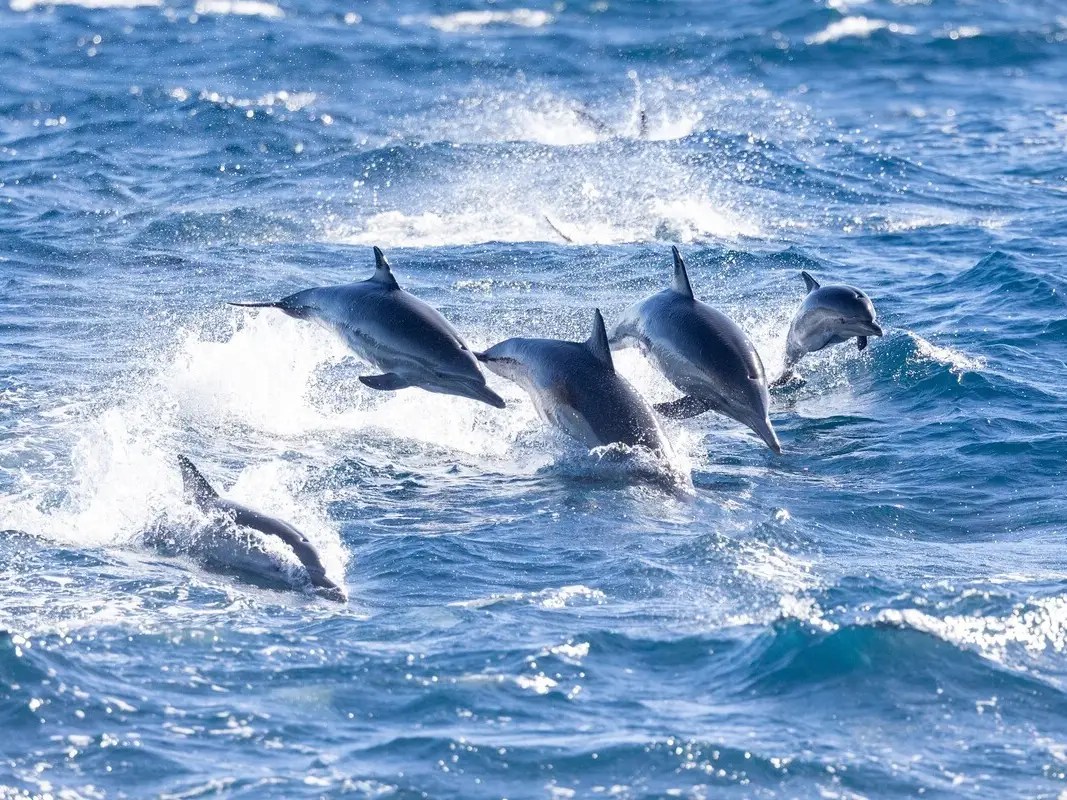
Yes, there are dolphins in Spain – eight species have been documented in Spanish waters, including common dolphins, bottlenose dolphins and striped dolphins as year-round residents. The Strait of Gibraltar, the Gulf of Cádiz and the waters off Tarifa host the highest concentrations, with pods visible throughout the year. Peak sighting probability occurs between April and October when calmer seas and increased surface activity make encounters more frequent.
The Strait of Gibraltar serves as one of Europe's most reliable dolphin corridors, with resident pods feeding in the nutrient-rich upwellings where the Atlantic meets the Mediterranean. Common dolphins (Delphinus delphis) form the largest groups, often travelling in pods of fifty to two hundred individuals. Bottlenose dolphins (Tursiops truncatus) prefer coastal waters, particularly around Tarifa and the Cádiz shoreline, where shallow bays provide hunting grounds for fish and cephalopods. Striped dolphins (Stenella coeruleoalba) occupy deeper offshore zones but move closer to shore during seasonal migrations. The question of whether dolphins inhabit Spanish waters extends beyond simple presence to understanding regional distribution. The Mediterranean coast hosts smaller, more dispersed populations compared to the Atlantic-facing shores. The Balearic Islands support resident bottlenose groups, while the Costa del Sol sees intermittent sightings tied to prey availability. The Bay of Biscay, along Spain's northern edge, hosts another distinct population, though sightings there depend heavily on weather conditions and seasonal fish movements. Are there dolphins in Spain's southern waters specifically? The answer is unequivocally yes – the Strait of Gibraltar records daily sightings during favourable conditions, making it one of the continent's most studied cetacean habitats. Marine biology research conducted since the 1990s has catalogued individual dolphins through photo-identification, revealing that certain bottlenose dolphins return to the same Tarifa feeding zones across multiple decades. The firmm foundation, operating from Puerto de Tarifa at 11380 Tarifa, Cádiz, has documented these patterns through systematic observation trips departing daily between 09:00 and 18:00. Morning departures between 09:00 and 11:00 align with peak cetacean surface activity, when calm seas and feeding behaviour increase encounter rates. Standard two-hour excursions, priced at 50 EUR per adult, focus on observation rather than interaction, adhering to marine protection protocols that prohibit chasing or encircling pods. Dolphin presence in Spanish waters reflects broader Atlantic and Mediterranean ecosystem health. The species documented here – including Risso's dolphins, pilot whales and occasionally orcas – rely on abundant fish stocks and minimal maritime traffic disruption. The Strait's unique geography, funnelling deep ocean currents through a narrow channel, concentrates prey species and creates predictable feeding zones. This confluence makes the southern coast particularly significant for marine research, with ongoing studies tracking population dynamics, migratory timing and behavioural adaptation to increased vessel traffic.
“The Strait of Gibraltar records daily dolphin sightings during favourable conditions, making it one of Europe's most studied cetacean habitats.”
The Best Time To See If Are There Dolphins In Spain
The best arrival window is 09:00–11:00, as calm morning seas provide the best conditions for spotting marine wildlife. Planning your visit around these conditions increases the likelihood of sightings throughout the year.
April to June
Moderate crowdsMild, 18°C–23°C
Spring offers high wildlife activity as many species migrate through the Strait of Gibraltar. Stable sea conditions are frequent during these months.
July to August
High crowdsWarm, 25°C–30°C
Summer is peak season for visitors, resulting in busier excursions. Seas remain generally calm, though afternoon winds can occasionally increase.
September to October
Low to moderate crowdsPleasant, 20°C–25°C
Wildlife remains active, and the reduction in visitor numbers provides a quieter experience on the water. This period maintains favorable sea conditions for observation.
Weekday mornings
Low crowds—
Arriving during the best arrival window of 09:00–11:00 ensures you benefit from the calmest water states before daily winds potentially develop.
Verdict: For the optimal experience, visit on a weekday morning between 09:00–11:00 during the months of April or October.
Opening Hours For Tours To Confirm Are There Dolphins In Spain
Excursions to observe marine life in their natural habitat are available daily throughout the week.
| Monday | 09:00–18:00 | |
|---|---|---|
| Tuesday | 09:00–18:00 | |
| Wednesday | 09:00–18:00 | |
| Thursday | 09:00–18:00 | |
| Friday | 09:00–18:00 | |
| Saturday | 09:00–18:00 | |
| Sunday | 09:00–18:00 |
Directions To Locations Where Are There Dolphins In Spain
The dolphin watching departures are located at Puerto de Tarifa, 11380 Tarifa, Cádiz, Spain. Visitors typically reach this port by car via the N-340 road or by regional bus services connecting to Tarifa.
N-340 highway toward Tarifa
Direct bus service to Estación de Autobuses de Tarifa
From Tarifa town center to Puerto de Tarifa
Essential Checklist For Trips To See Are There Dolphins In Spain
Prepare for your dolphin watching trip with these practical steps, from booking to day-of arrival.
-
Book your tour slot in advance — Tours depart at fixed times and can fill up, especially during peak season.
-
Check the marine forecast the day before — Rough seas can lead to cancellations or reduced sightings.
-
Wear layered, wind-resistant clothing — Conditions on the water are cooler and windier than onshore.
-
Bring sun protection and binoculars — Even on overcast days, glare off the water is intense.
-
Arrive 15–20 minutes before departure — This allows time for check-in and safety briefings at the port.
-
Pack motion sickness remedies if needed — Even calm seas involve gentle rolling that can affect sensitive passengers.
Check availability
Frequently Asked Questions About Dolphin Watching in Spain
Everything you need to know about are there dolphins in spain