

Quick answer
Morning departures between 08:00 and 11:00 offer the best sea conditions and highest sighting probability, as wind interference remains low and pods feed closer to shore during early hours.
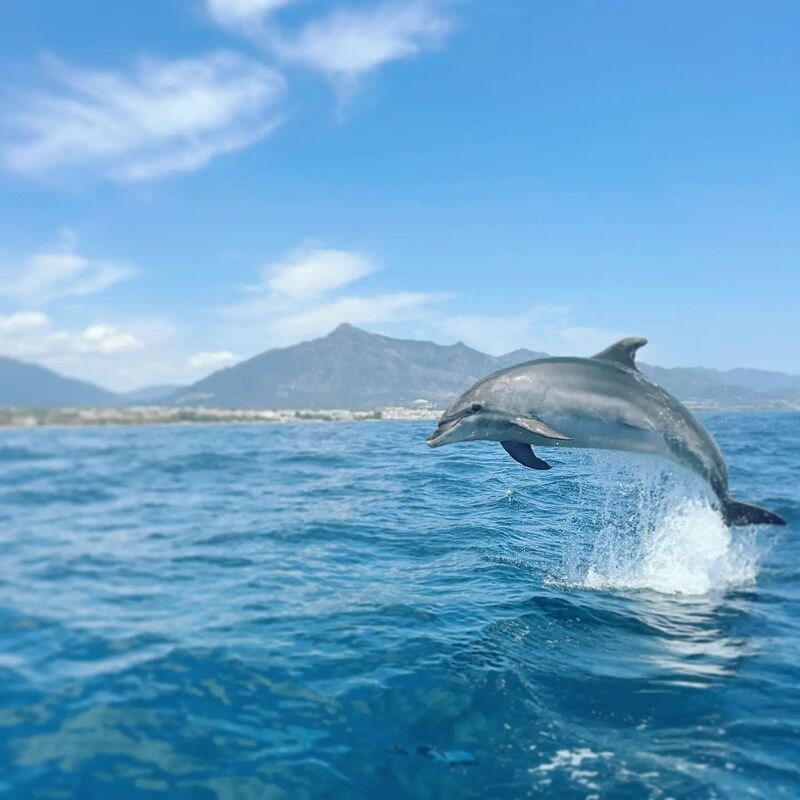
The Alboran Sea, the westernmost basin of the Mediterranean, supports resident populations of common dolphins, bottlenose dolphins, and striped dolphins year-round, making the Spanish coast between Málaga and Tarifa one of Europe's most reliable cetacean-watching zones. Unlike captive marine parks, the majority of dolphin experiences in Spain now take the form of open-water excursions departing from marinas along the Costa del Sol, where operators run multiple daily trips into known feeding and transit corridors. Excursions typically run as two-hour group trips aboard catamarans or rigid inflatables, with bilingual naturalist guides providing species identification and behavioral context. Sighting rates exceed 85 percent during spring and summer months, when warmer surface temperatures draw baitfish schools closer to the coast and dolphin pods follow. Autumn and winter trips still operate daily, though sea conditions become less predictable and departure schedules adjust accordingly. The optimal arrival window falls between 08:00 and 11:00, when the sea surface remains glassy and dolphins exhibit the most active surface behavior. Later departures contend with afternoon thermal winds—the Levante and Poniente—that generate chop and reduce underwater visibility. Most operators require advance booking, particularly during July and August when demand peaks and morning slots fill days ahead. The official site for Marbella-based trips is marbelladolphins.com, where real-time availability and weather-dependent schedule changes are posted. Beyond Marbella, dolphin watching in Spain extends to Tarifa, where the Strait of Gibraltar funnels migratory species including pilot whales and orcas, and to the Balearic Islands, where smaller operators run seasonal trips from Mallorca and Ibiza. Each zone operates under distinct regulations governing approach distance and group size, with Andalusian waters enforcing a 60-meter minimum separation and a 30-minute maximum observation window per pod. These rules are non-negotiable and violations result in operator fines, so responsible tour selection matters as much as timing.
“The Alboran Sea supports resident dolphin populations year-round, making Spain's southern coast one of Europe's most reliable cetacean-watching zones.”
Optimal Daily Windows for Dolphin Shows in Spain
The best arrival window is 08:00–11:00, as this period provides the most favorable sea conditions for dolphin sightings and minimized wind interference. Planning your trip during this time frame increases the probability of calm waters and successful observations.
Spring (April-May)
Moderate crowdsMild 18°C-22°C; calm seas
Higher probability of sightings as water temperatures begin to rise.
Summer (June-August)
High crowdsWarm 25°C-30°C; early morning calm
Best to prioritize early departures to avoid afternoon thermal winds.
Autumn (September-October)
Lower crowdsMild 20°C-24°C; stable sea conditions
Transition periods offer quieter experiences with frequent dolphin activity.
Weekday mornings
Low crowds—
Early arrivals maximize time on the water before afternoon wind gusts increase.
Verdict: The optimal period for dolphin watching is weekday mornings between 08:00 and 11:00 during the months of April or October.
Regional Attractions to Combine with Dolphin Shows in Spain
These locations offer a straightforward transition from sea activities to local culture and dining.

Casco Antiguo
The historic old town features narrow streets and the central Plaza de los Naranjos, providing a quiet atmosphere after a morning at sea.
Avenida del Mar
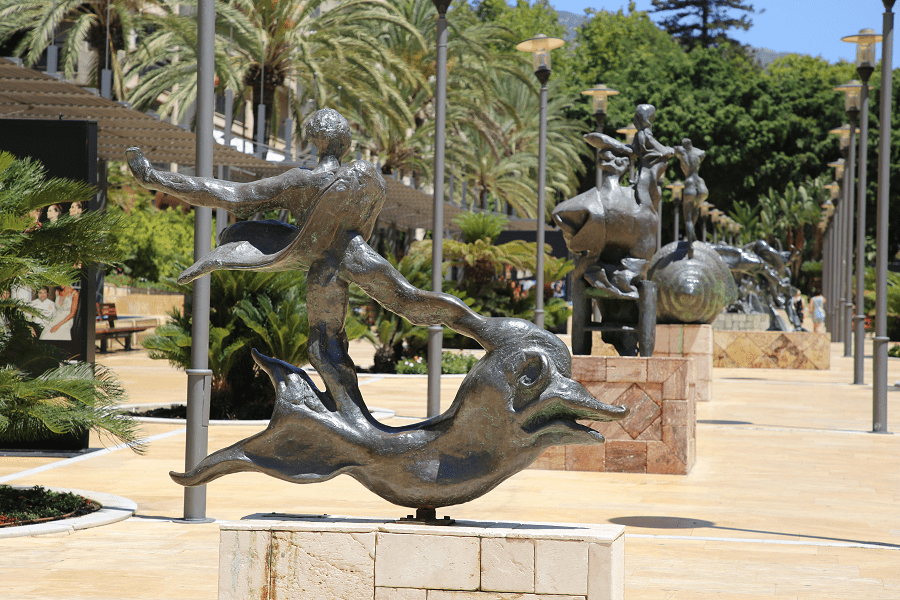
This pedestrian walkway features a collection of outdoor sculptures by Salvador Dalí, leading directly from the town toward the coast.
Playa de la Venus
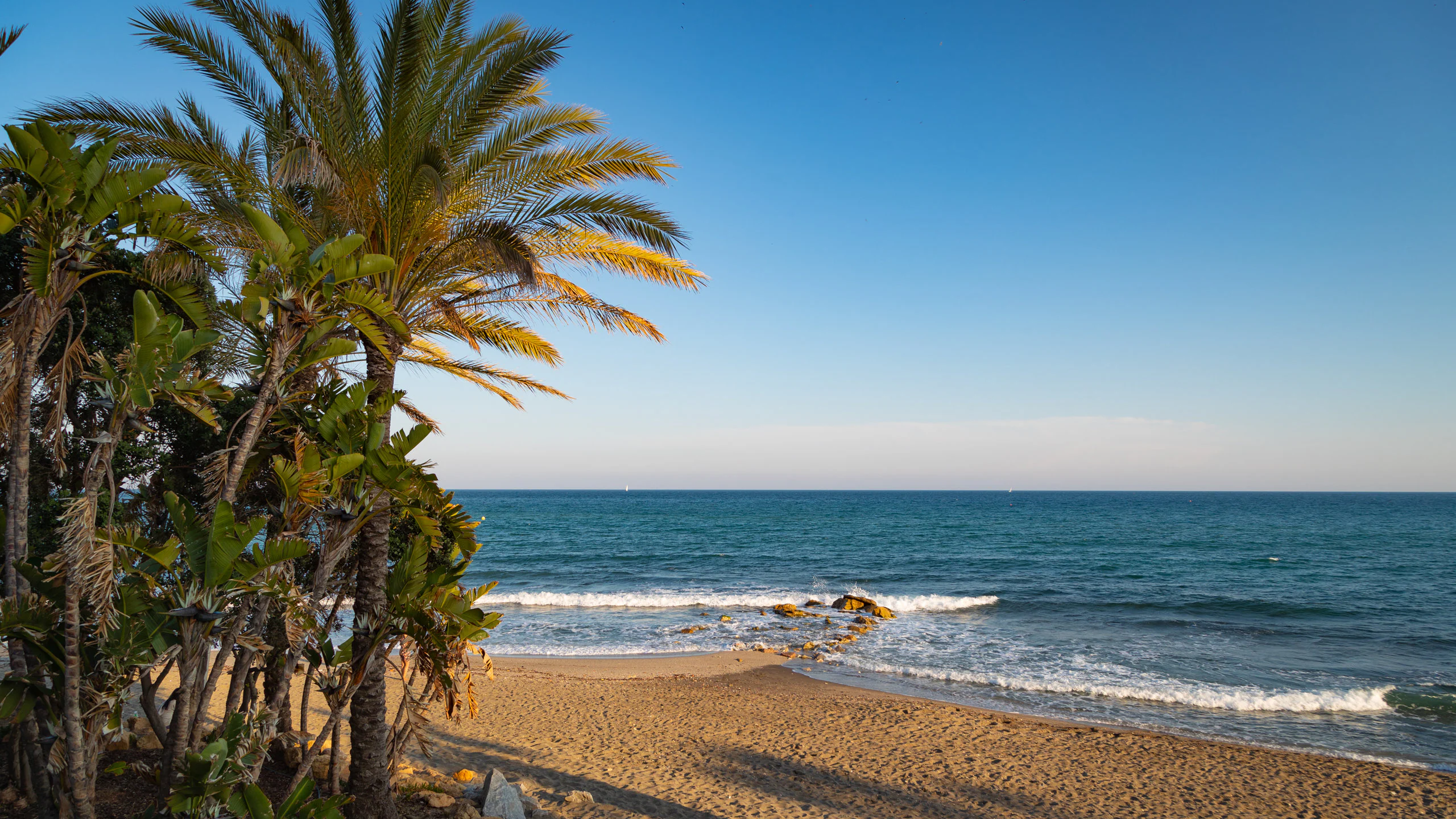
Located adjacent to the port area, this beach allows for immediate relaxation or a seaside meal following a boat trip.
Check availability
Frequently Asked Questions About Dolphin Watching and Shows in Spain
Everything you need to know about dolphin shows in spain